Cristiano Militello. A good Cristiano. The true story of a very bad accountant
Cristiano Militello. A good Cristiano. The true story of a very bad accountant
15 April 2026
Cristiano Militello. A good Cristiano. The true story of a very bad accountant
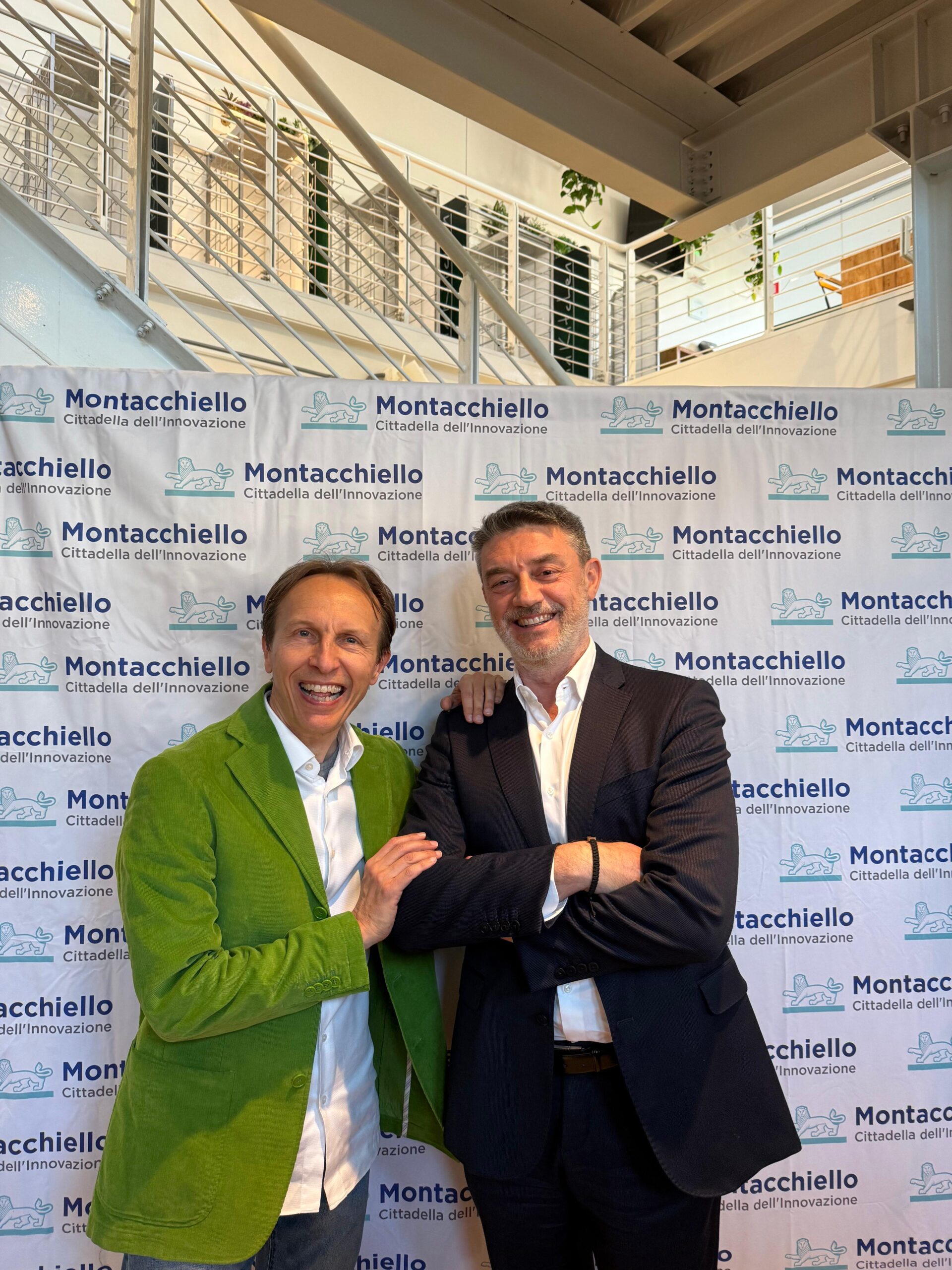
“Cristiano Militello has been part of my mornings for years now with his programme on Radio 101, so having the chance to meet him in person at Montacchiello was really exciting. The evening was engaging, authentic and full of anecdotes from his career, as well as plenty of funny moments. Finishing the event with a selfie with him made my day.”
A.F. – Event participant
Meeting at Main Kitchen
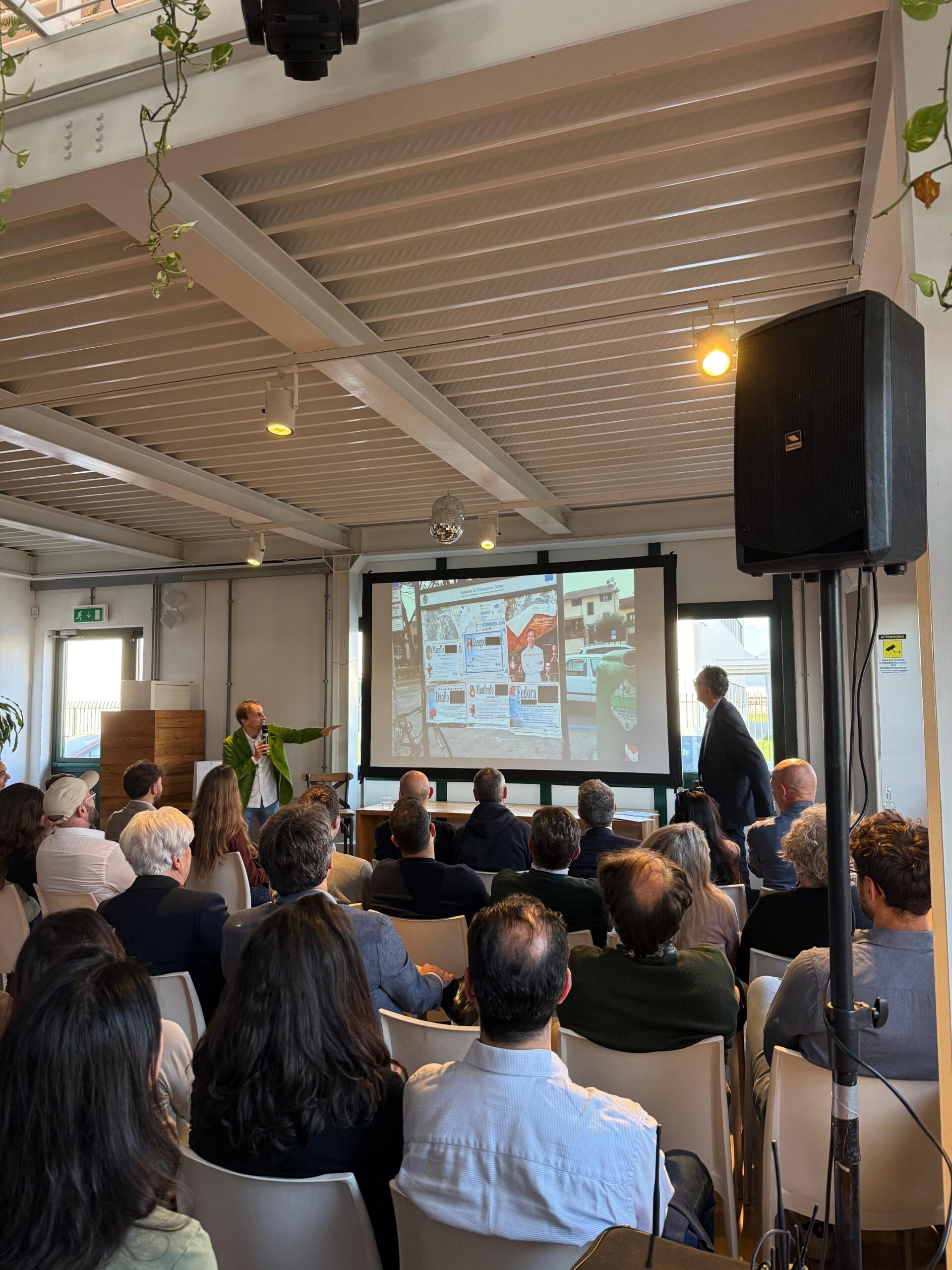
Cristiano Militello shares his story with Montacchiello’s companies
Aperitif and networking at Main Kitchen
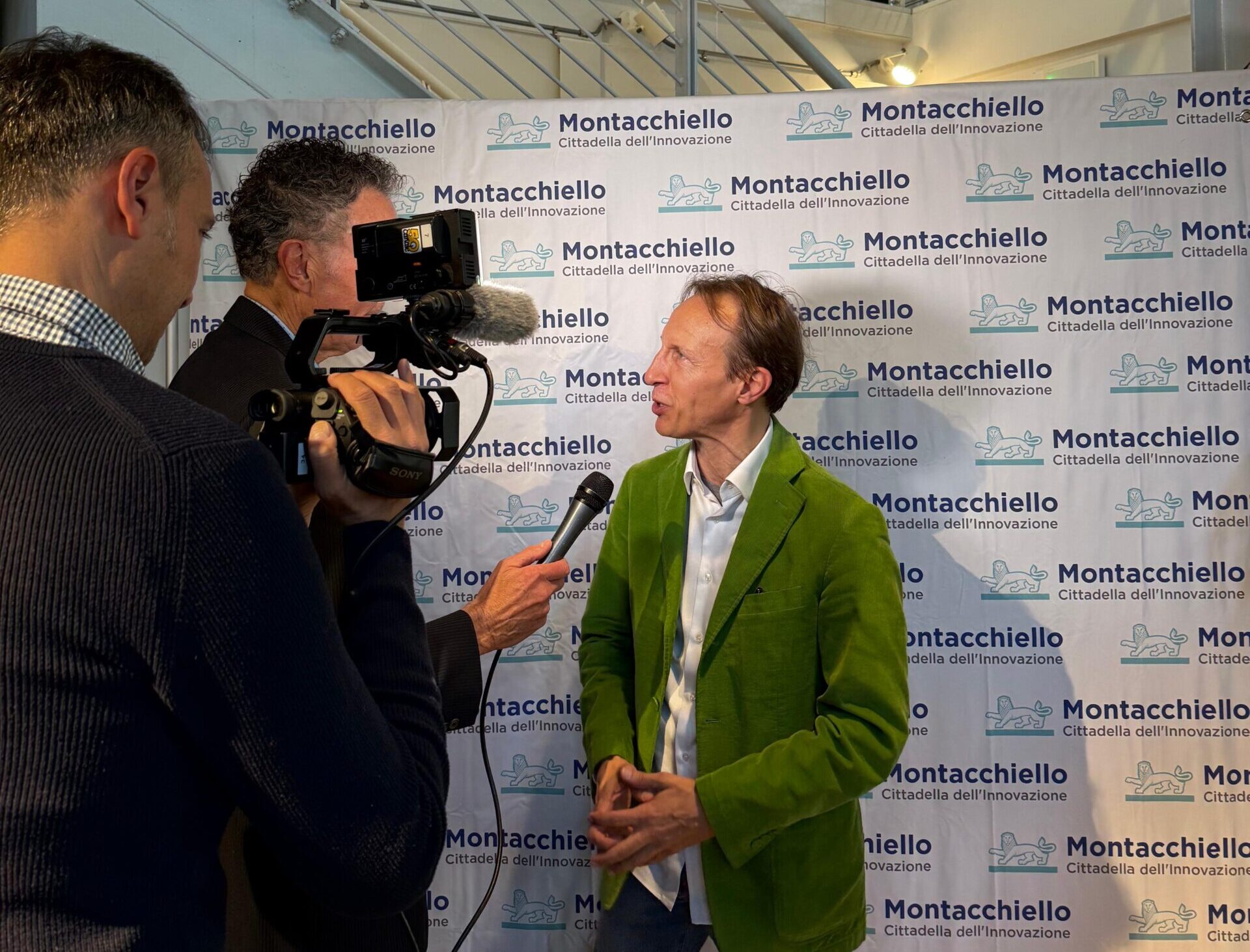
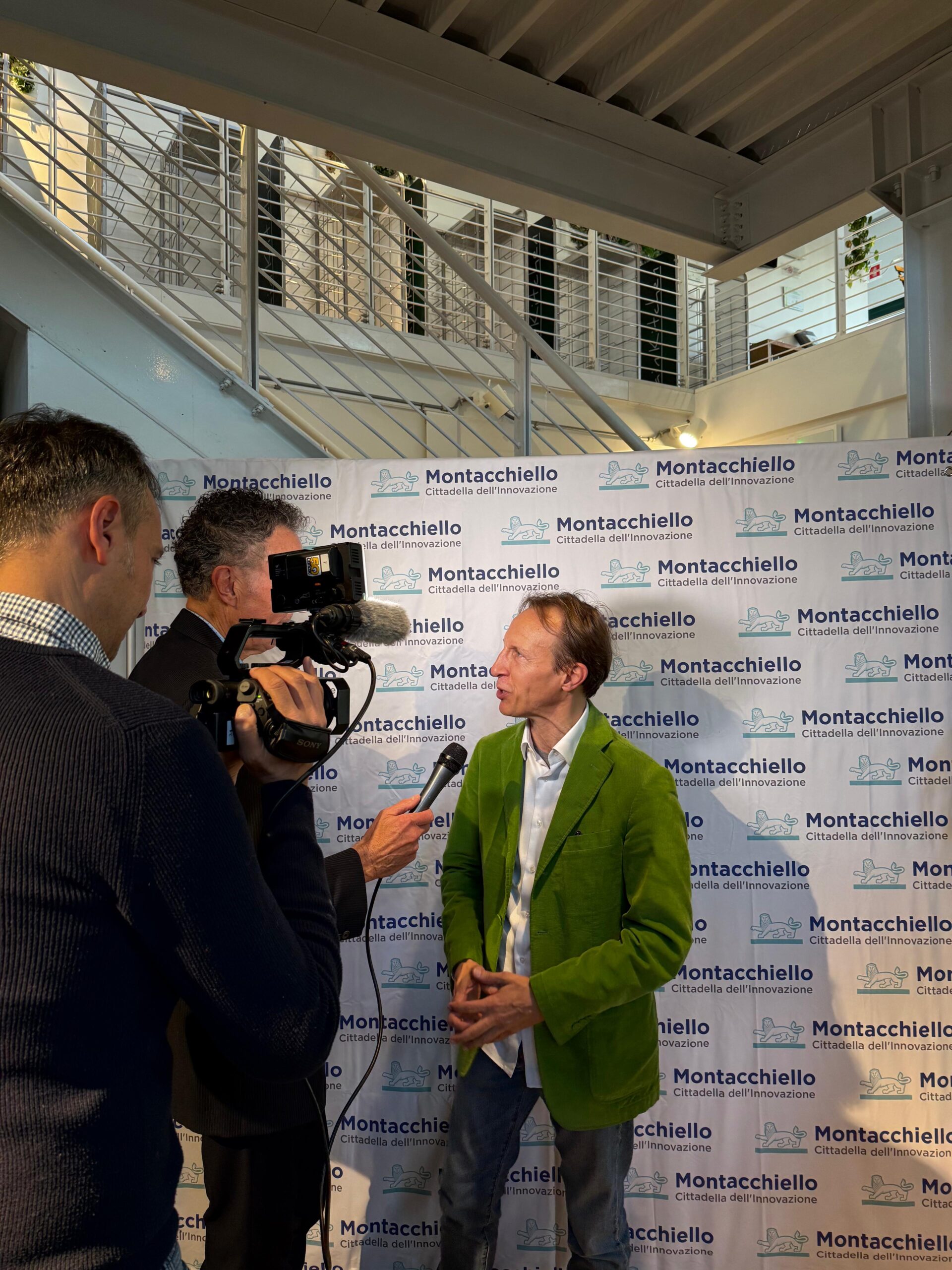
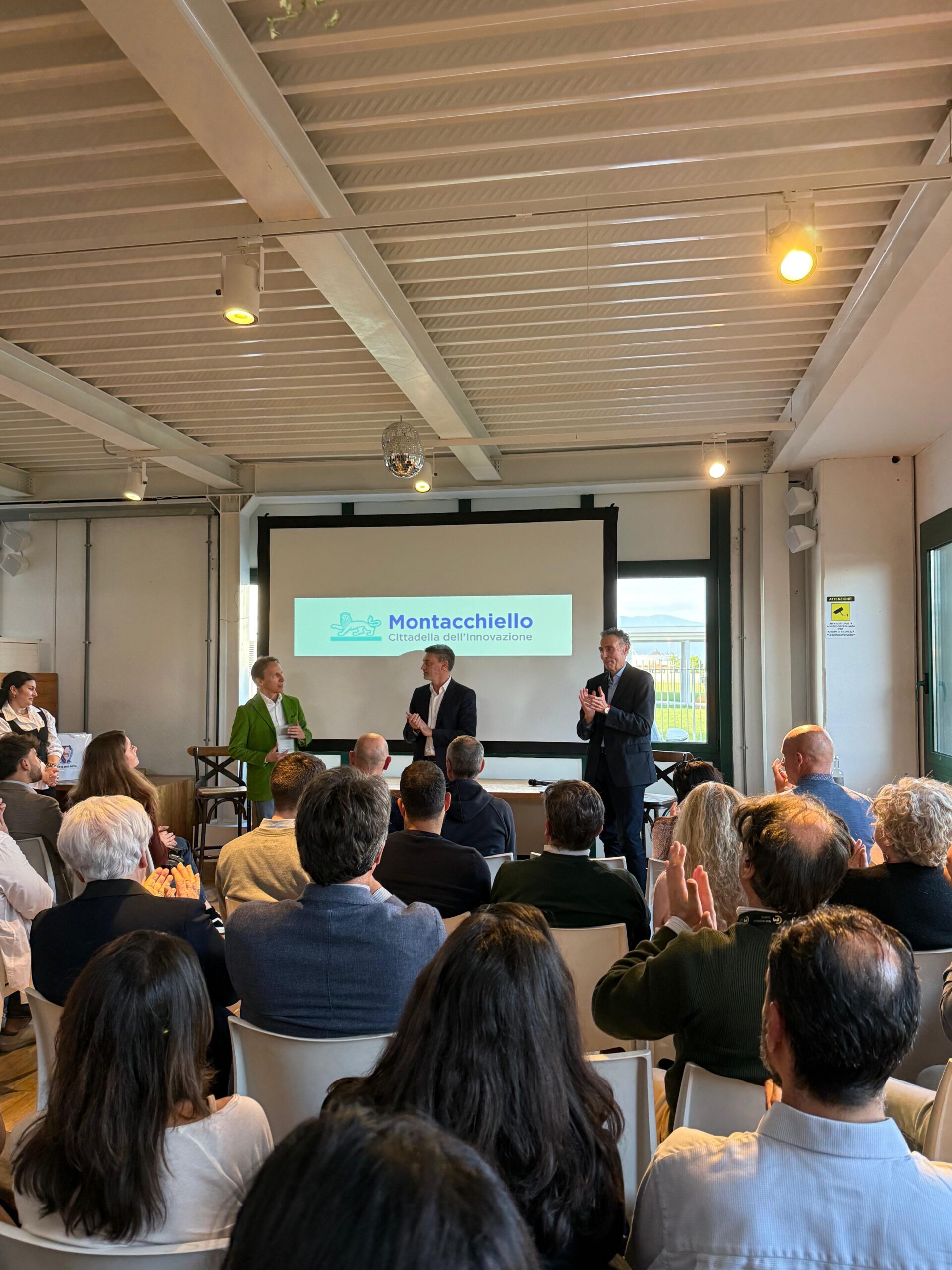
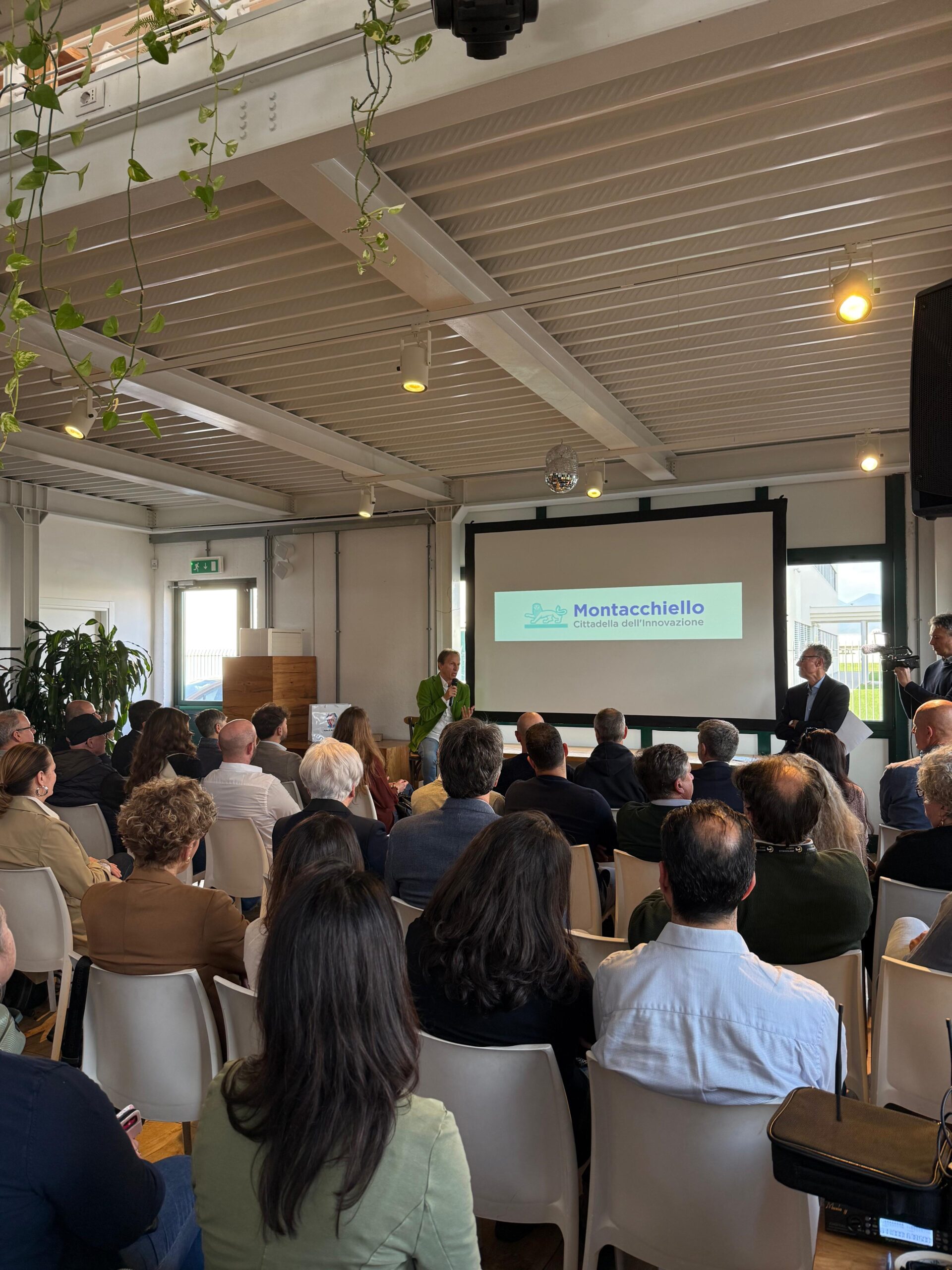
Gruppo Forti opened the 2026 programme of cultural events at the Montacchiello Innovation Park by welcoming Cristiano Militello for an evening focused on his professional journey and the evolution of the Italian media overview.
During the event, the comedian writer and broadcaster shared key moments from his career, from his early experiences at Teatro Verdi in Pisa to achieving national fame. His involvement at a very young age in the 1984 production of Tosca directed by Gigi Proietti was an experience that played an important role in shaping both his personal and professional path.
A significant part of the conversation centred around the success of his 2004 book “Giulietta è ’na zoccola” (“Giulietta’s a slut”), based on a collection of some of the most iconic and humorous football banners seen in Italian stadiums thoughout the years. The project marked a turning point in his career and led to his now over-two- decades television experience on the national tv show Striscia la Notizia.
Through anecdotes and reflections, Militello also explored how television, publishing and digital media have transformed communication styles, storytelling and audience habits over the past twenty years.
Speaking with journalist Aldo Orsini, he also described his affection for what he calls Italy’s “unlucky supporters”: fanbases more familiar with disappointment rather than success, yet deeply ironic, loyal and with a strong sense of identity. Militello described these communities as one of the most authentic expressions of Italian popular culture.
The evening ended with an informal networking aperitif and an opportunity for guests to continue chatting, reinforcing the role of Montacchiello’s cultural events as moments of dialogue, connection and shared experiences within the community.